Chantelle
An ambitious commitment to traceability
Discover how Chantelle goes beyond data collection and builds a tool for analyzing social and environmental risks.


An ambitious commitment to traceability
Chantelle, a committed fashion brand promoting sustainability and transparency
Since 1876, Chantelle has been shaking up women's underwear fashion. The company's traceability process, initiated in 2022, forms part of a wider CSR strategy launched in 2020: Chantelle for Change. Based on the vision of "acting with transparency", the company is focusing directly on managing traceability issues.
Their goal? Achieving a high standard of transparency across their supply chains, despite their dual production model: some products are fully tailored in Chantelle-owned factories, for which data management is straightforward; others are tailored by external providers, for which traceability is more challenging.
An extensive traceability strategy
Chantelle quickly identified the need for a hybrid, adaptable tool to help them achieve their transparency goal quickly. Two solutions were tested as part of a working group launched by the federations. As these were not fully aligned with the brand’s business model, the pilots were not completed; however, they significantly improved the brand’s understanding of traceability challenges.
When choosing a tool for processing large amounts of data, Trace For Good was deemed the most appropriate. Indeed, the platform's flexibility means it can manage complex products while offering an intuitive interface that suppliers and internal teams can easily operate.
This decision was reinforced by the creation of a dedicated traceability and social compliance role within the company, aimed at structuring a robust pilot before moving into the industrialisation phase.
Objectives of Chantelle
Ensuring product compliance with current and upcoming legislation
Reducing the workload of their team when collecting data
Reducing supplier fatigue
Keeping their supply chains under control and monitoring environmental and social risks

The benefits of Trace for Good
A flexible solution, able to adapt to the complexity of lingerie products and the specificities of the Chantelle production model
An intuitive interface, making it easier for both in-house teams and suppliers to use
The possibility for a progressive ramp-up, to demonstrate the value of the solution right from the pilot phase
A fluid user experience, designed to reduce supplier fatigue
Implementation and results
Trace For Good, the key to a successful CSR strategy
Chantelle began a pilot phase with Trace For Good in early 2024. The pilot phase targeted a hundred product references that are not manufactured in the brand’s own factories, with the aim of structuring the collection of data required by the AGEC law. The trial was conclusive, swiftly confirming the effectiveness of the solution.
In summer 2024, the brand decided to expand the project. The platform was used to trace a broader scope of data for all externally produced products. In addition to regulatory data, Chantelle also chose to collect information needed to calculate environmental costs and gather certification documents, as well as mapping its raw material suppliers.
The targets set were ambitious: 100% completion for AGEC data and over 80% for complementary data.
Résultats de la solution
Solution results
100
%
AGEC compliant products
100
%
Tier-1 suppliers fully committed in the project
90
%
of non-AGEC data collected successfully
Key success factors
An easy-to-use tool adapted to the complexity of the lingerie market
Regular project follow-ups with a dedicated Trace For Good CSM
An in-house traceability project manager overseeing the deployment of traceability
The involvement of the data teams from the outset
Long-term supplier relationships, facilitating commitment
A progressive deployment strategy to reduce supplier fatigue
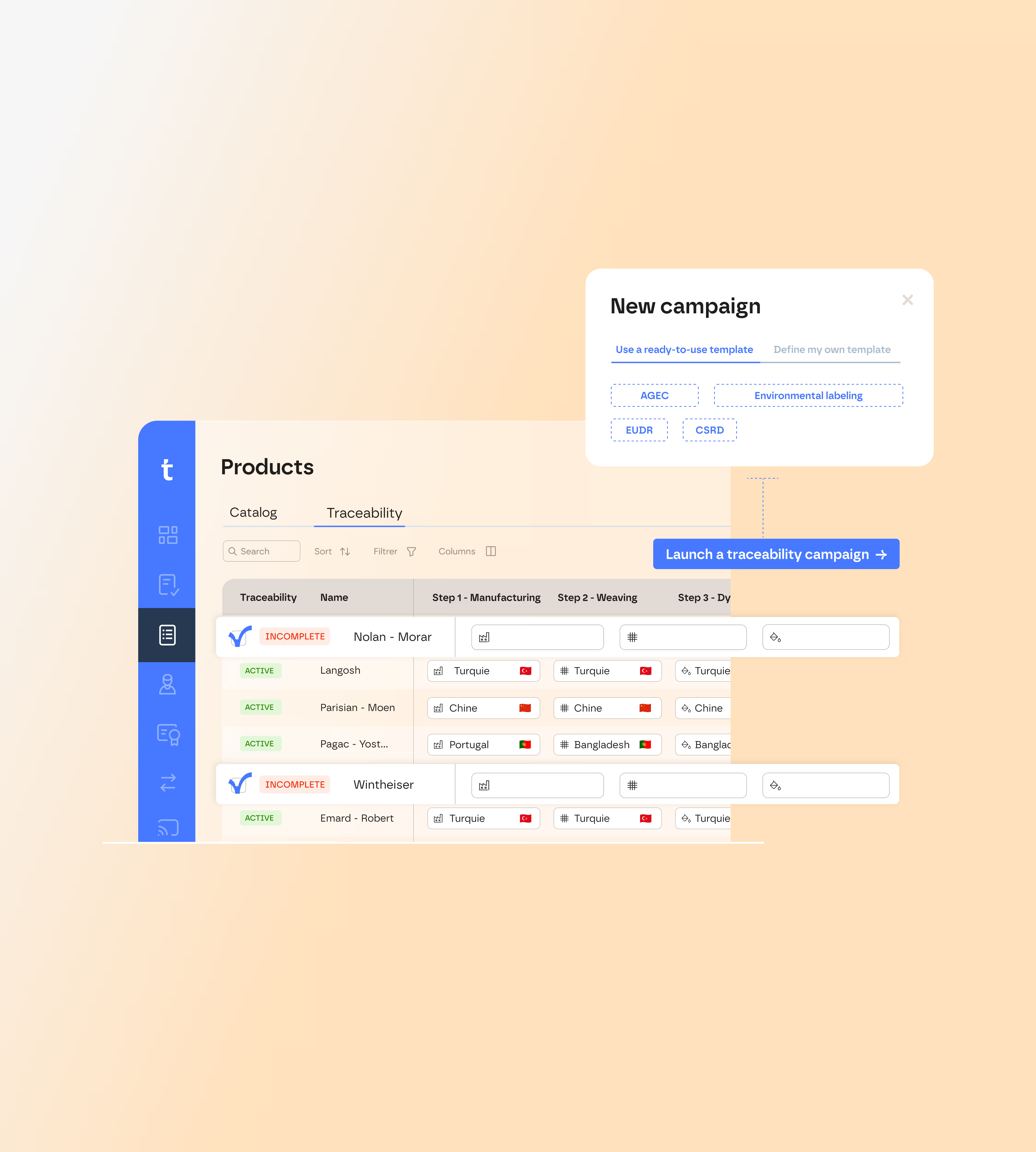
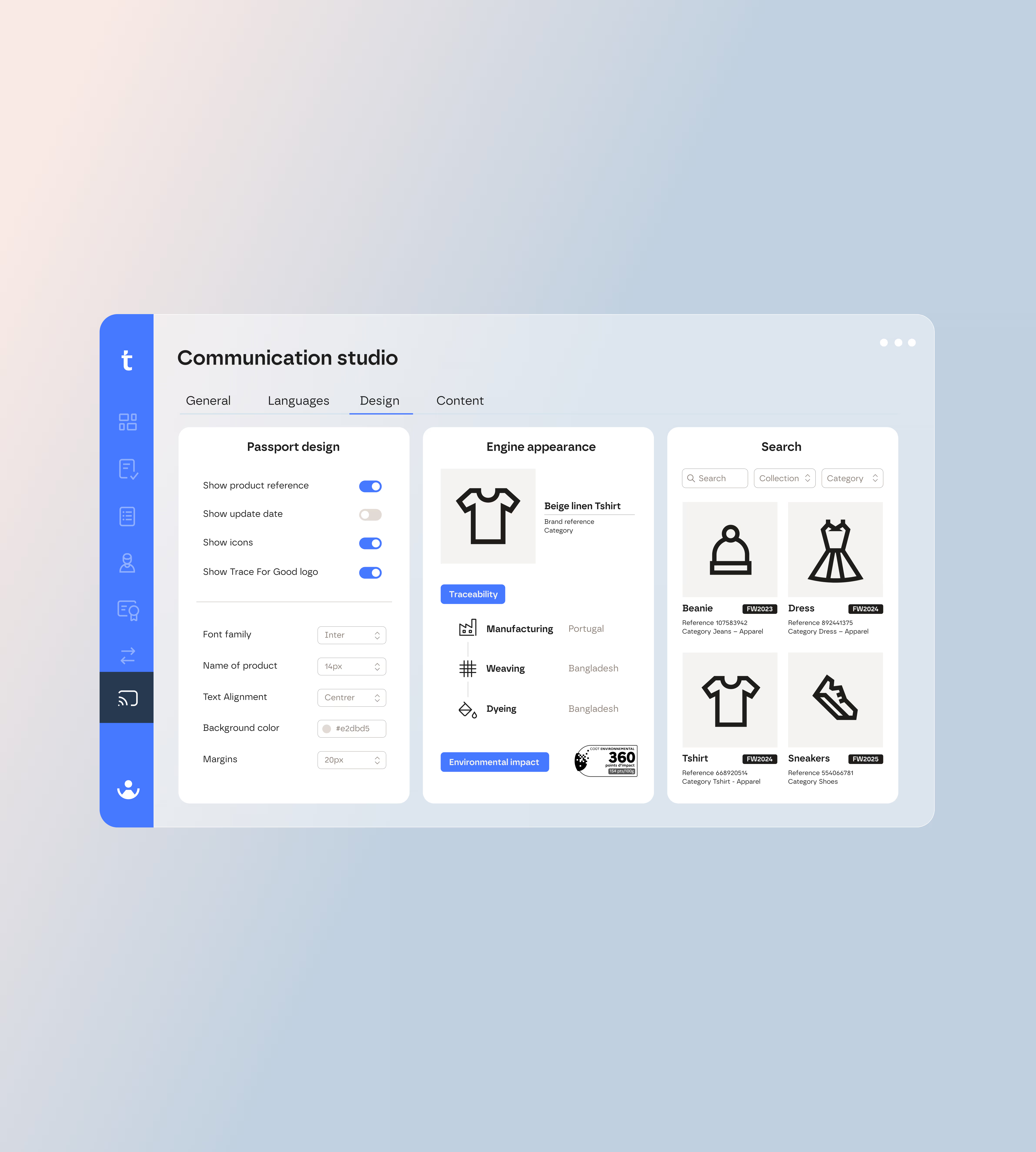
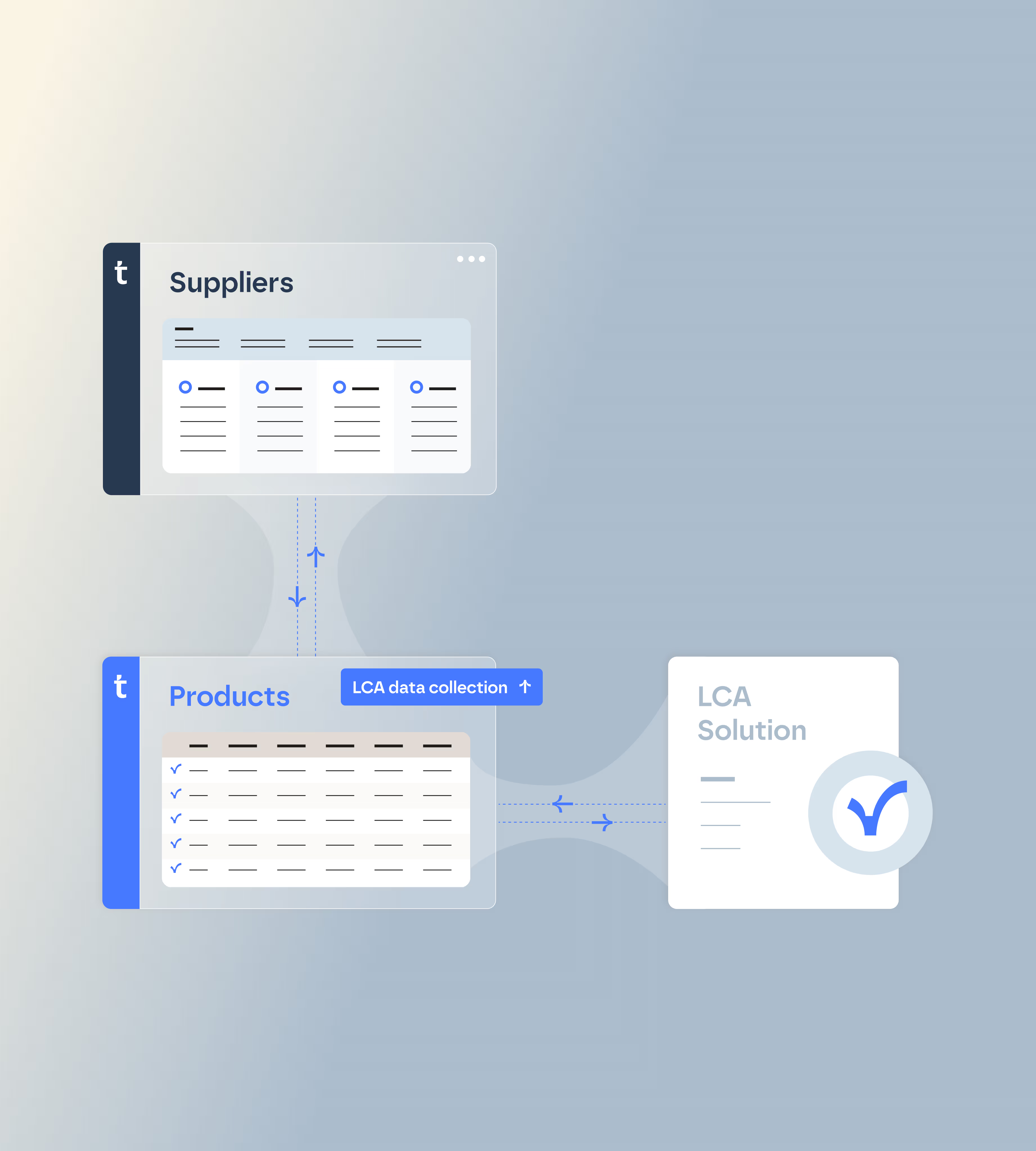
The favourite features of Chantelle
Similar success stories
















%20(2).png)





Fill out the form below.