Green claims
The Green Claims initiative, the UCPD, and the Empowering Consumers for the Green Transition regulation all share the same ambition: putting an end to greenwashing. Their goal is to strengthen the reliability of environmental claims, give credibility to companies that genuinely act, and ultimately reinforce consumer trust.
With Trace For Good, you can ground every claim in solid evidence and communicate with full transparency, without the risk of sanctions.

Understanding environmental claim regulations
The Green Claims initiative, the UCPD and the Empowering Consumers for the Green Transition (ECFTGT) are complementary elements built around a single objective: ensuring clear, fair and verifiable environmental communication. Together, they help companies highlight their sustainability efforts while complying with EU laws and consumer protection rules.
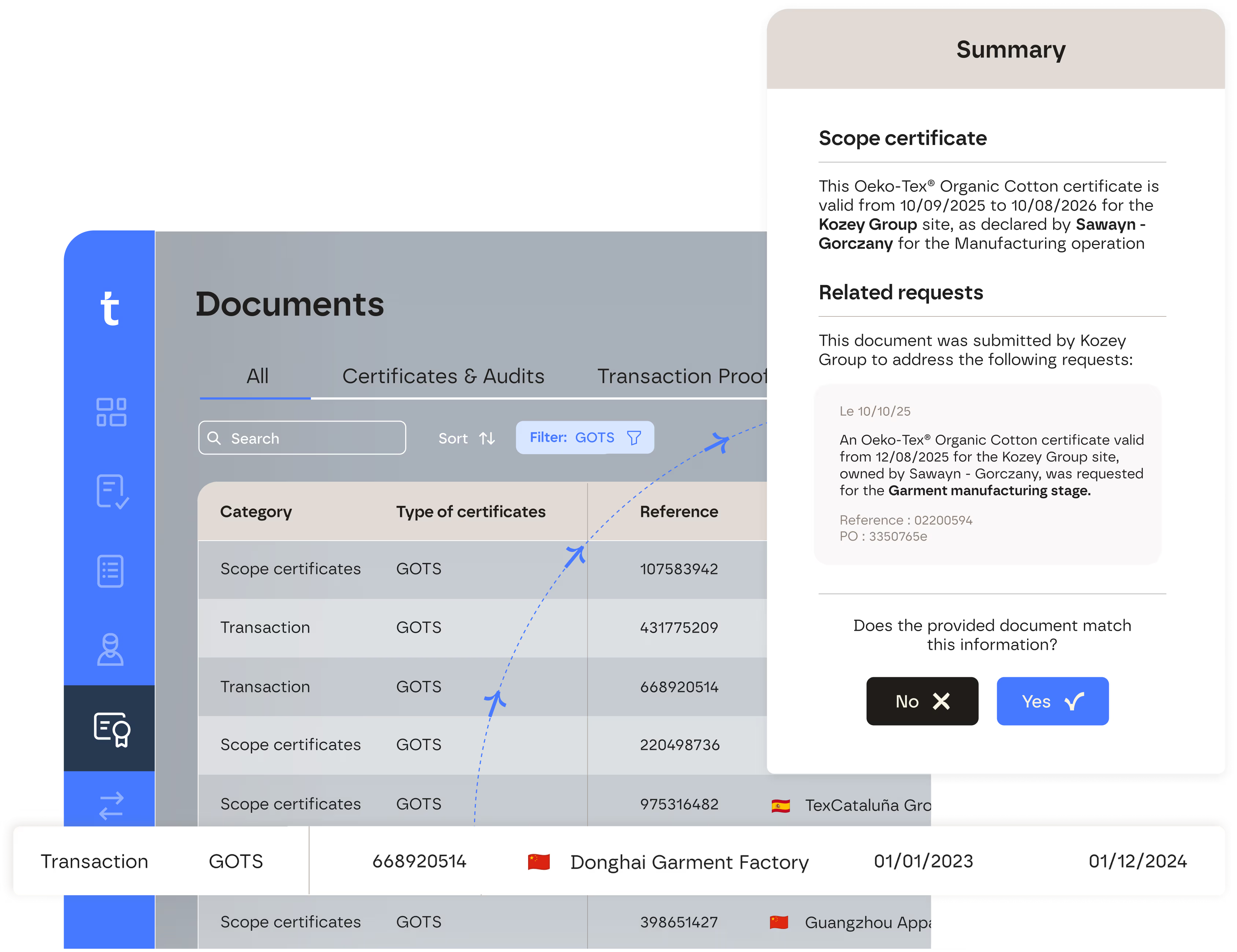
Trace For Good provides brands with a platform built to collect, structure and control all the data required to substantiate an environmental claim.
Every piece of information (supplier inputs, material composition, life-cycle data, certifications, audit evidence) is centralised, traceable and backed by proof.
By consolidating both the data and the documentation that demonstrate its accuracy, the platform gives brands everything they need to support their claims with reliable, audit-ready evidence.
What is the purpose of environmental claims?
These directives aim to bring clarity and trust back to environmental claims by ensuring consumers receive reliable, transparent information about the products they buy. To prevent misleading communication, claims are regulated by the UCPD and the ECFTGT.
- The UCPD sets the long-standing rules against misleading or unverifiable statements across the EU.
- The ECFTGT, applicable from 27 September 2026 in EU member states, strengthens this framework by increasing transparency requirements, prohibiting unsubstantiated claims, demanding accessible and verifiable proof, and defining clear rules for labels, comparisons and sustainability-related statements.
Together, these regulations help genuinely committed companies stand out by actively tackling greenwashing.
Trace For Good enables brands to communicate all required environmental information in a structured, compliant and consumer-friendly way.
With our Communication Studio, you can publish dedicated product sheets online and make it accessible directly on your packaging via QR code.
The content is 100% customisable: brands can include durability data, repairability information, impact scores, material origins, certifications or any other proof needed to support their claims.
Which companies are affected by environmental claim regulations?
The UCPD and the ECFTGT apply to any company communicating with consumers in the European Union.
All B2C businesses are concerned, regardless of size, sector or country of origin, whenever they promote environmental, durability, repairability, recyclability or impact-reduction claims.
The rules cover every consumer-facing channel, from product pages and packaging to e-commerce, social media, advertising and in-store communication.
Which products are covered by the regulations on green claims?
Sectors where environmental claims frequently influence consumer decisions are the most affected: food, retail, textiles, cosmetics, household products, energy and technology.
Trace For Good trains product, sustainability, legal and communication teams to identify environmental claims, assess their compliance and use the relevant data to support them.
Our training programme equips your teams to navigate the regulatory landscape, understand prohibited practices and write clear, compliant and verifiable sustainability messages.
This ensures that every team shares the same standards and contributes to safe, consistent communication.
What are the requirements of the UCPD and the ECFTGT?
In order to comply with the requirements of these directives, businesses must provide the following:
- Truthful, accurate and substantiated claims. Vague or generic terms are prohibited.
- Clear, unambiguous, and fully transparent claims.
- Claims that relate to the entire life cycle of the product or service. Environmental claims about an entire product must not be made if they only apply to one element of it.
- Precise claims, that are not misleading by omission. Companies must not omit or conceal important and relevant information.
- Claims that are independently verified and publicly available.
- Information relating to commercial sustainability, guarantees and repairability.
Trace For Good offers a dedicated audit service to help brands evaluate the claims they already use across all channels.
- Our team of experts identifies risky messages,
- They assess whether the supporting evidence is sufficient,
- And they provide concrete recommendations for correction.
This enables companies of all sizes to ensure their communication is consistent and aligned with regulatory expectations.
What methodology should companies use to substantiate environmental claims?
Before communicating, companies must understand the impact of their products. Comprehensive data collection and full life-cycle assessments allow them to formulate precise, reliable statements about environmental performance. Messaging must remain clear to ensure full transparency for consumers.
Building a solid data infrastructure, displaying relevant certifications and working with independent third parties helps secure an effective, compliant strategy.

Green claims: what changes for your brand
You must collect all the necessary data
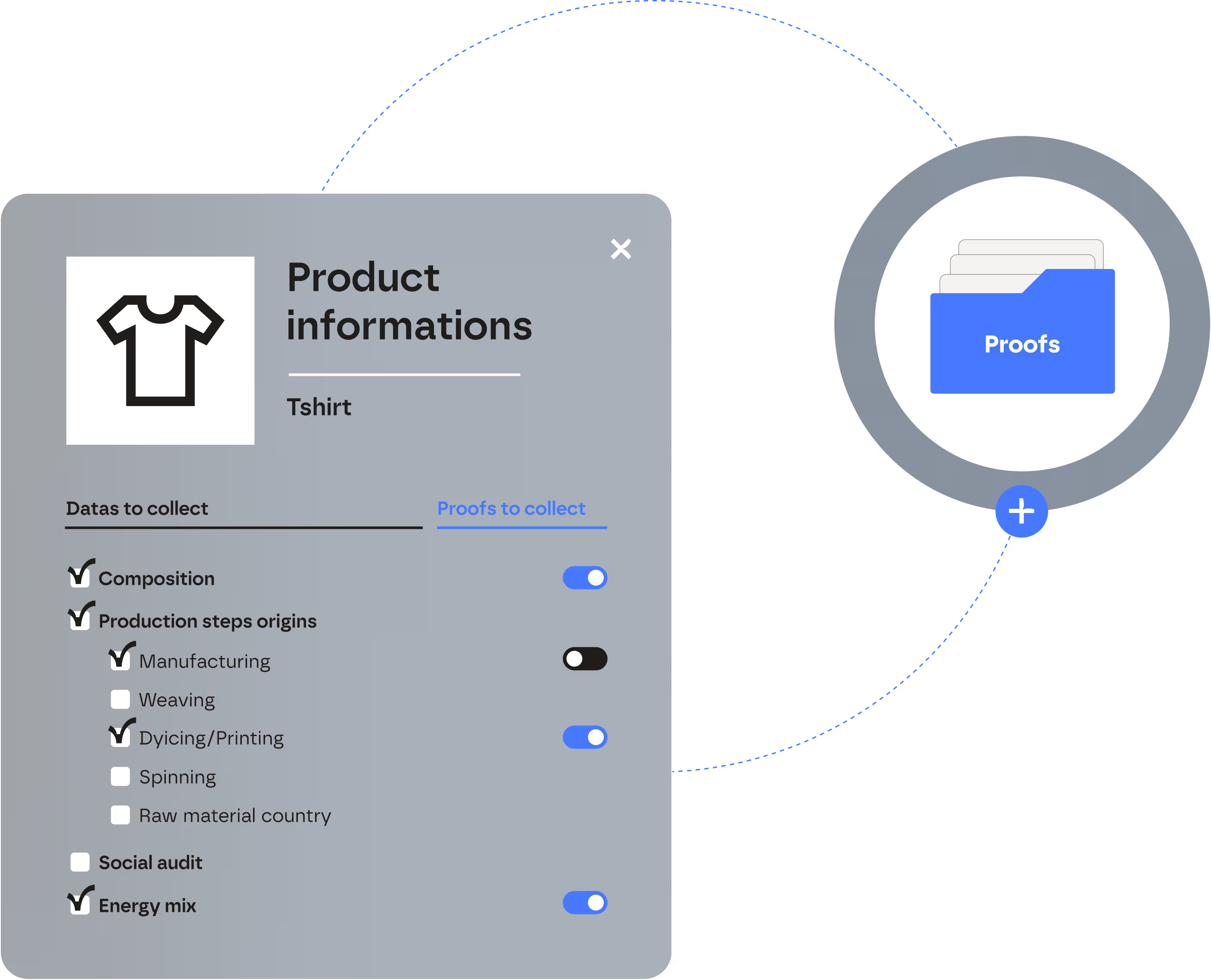
In order to substantiate your claims, you now need to provide comprehensive and precise data on your products, including information on materials, processes, durability, repairability, certifications and environmental impact.
You must structure your data to access your evidence quickly
Centralising and organising your information ensures you can pinpoint the exact evidence required for each claim, without uncertainty or gaps.
You must build your claims from evidence, not intention
Claims can no longer start as marketing ideas; they must be formulated from existing, verified and documented data.
You must align all teams around a shared communication framework
E-commerce, marketing and communication teams must follow the same rules, understand regulatory constraints and know exactly what can and cannot be said.
Maîtriser vos produits,engagez vos fournisseurs,informez vos clients.
Ensuring compliant environmental claims with Trace For Good
Audit existing initiatives aimed at reducing the environmental impact of your products
Distinguish legal requirements from voluntary commitments
Identify the messages and claims you want to communicate
Reformulate these claims clearly and precisely
Document each claim with verifiable evidence
Align internal teams around shared principles
Prioritise strong, concrete and low-risk claims
Key featuresfor evironmental claims
Communication studio
Communicate your environmental claims with full transparency
Customize each product passport to accurately reflect your environmental claims, including repairability, durability, material composition, certifications, impacts and performance.
Share this information across your different channels (e-commerce site, QR code, etc.) while adapting it to your brand’s visual identity.

Useful ressourcesfor environmental claims
.avif)


.jpg)

Our collaborations
relating to environmental claims



FAQ
How can I prove the veracity of my environmental claims?
To demonstrate the credibility of your green claims, it is essential to collect, document and verify all environmental data such as:
- The life cycle of your products;
- The traceability of recycled materials in your products;
- The energy efficiency of your production process;
- The impact of your production stages on biodiversity.
To guarantee the reliability of your environmental claims, they must be based on verifiable scientific data, validated by independent bodies and aligned with recognised standards and certifications. This approach allows you to anticipate the European Green Claims Directive while reducing the legal risks associated with misleading environmental messages.
Is my company affected by regulations on environmental claims?
Yes, if your company highlights environmental arguments in its communication. The rule applies to any organisation active on the EU internal market that communicates about its sustainability commitments.
What are the specific requirements for environmental claims?
To avoid penalties, your company must comply with the following requirements:
- Provide truthful, accurate and substantiated claims. Vague or generic terms are prohibited.
- Make clear and unambiguous claims with complete transparency.
- Provide information on the entire life cycle of the product or service.
- Avoid any omissions that could mislead consumers.
- Publish verified, publicly available data, including guarantees of sustainability and repairability.
What opportunities do environmental claims represent for my brand?
Environmental claims enable you to:
- Promote your company's sustainable commitments;
- Build consumer trust and loyalty;
- Differentiate your brand in the domestic market;
- Prevent penalties for misleading commercial practices;
- Turn regulatory transparency into a strategic and marketing lever to prove the credibility of your environmental actions.
Which environmental claims are allowed?
You may use any environmental claim that is specific, factual and fully supported by verifiable evidence. A claim is acceptable only if it describes a real, measurable benefit directly linked to the product, and if the consumer can easily understand and verify it.
In practice, you can communicate about:
- Composition: recycled, bio-based or certified materials (with proof).
- Performance: durability, repairability, energy efficiency, measured impact.
- Environmental characteristics: recyclability of a component, absence of harmful substances, improved production processes.
- Labels or certifications: only if they are recognised and applicable to the product.
- Measured improvements: LCA results, demonstrated impact reductions, documented traceability.
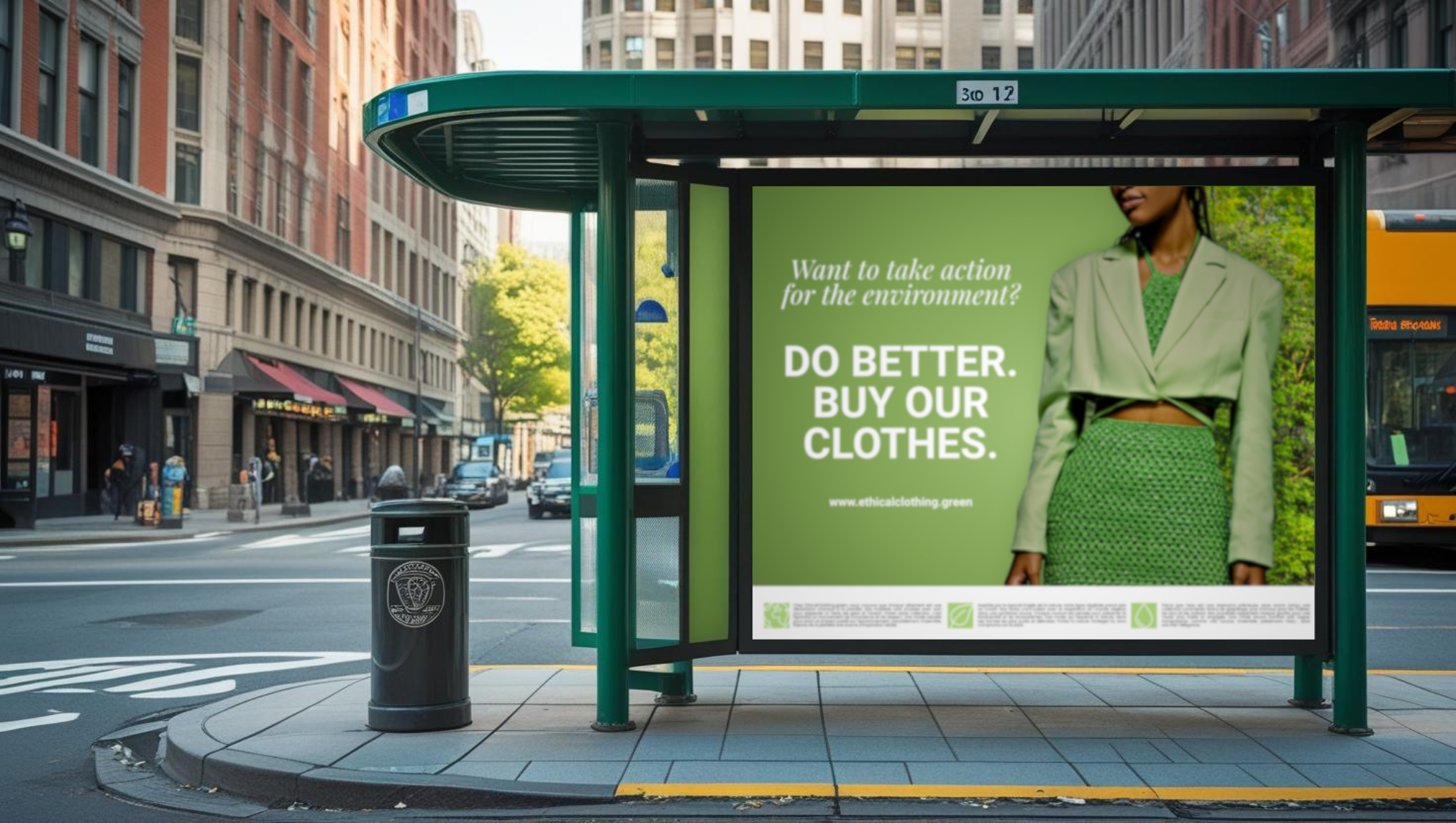
However, generic or vague claims such as “eco-friendly”, “green”, “sustainable” or “planet-friendly” are prohibited unless they are precisely explained and backed by accessible evidence.
The key principle: every claim must be specific, accurate and demonstrable, and may only apply to the product for which you hold sufficient proof.
Which sectors or products are most exposed to Green Claims requirements?
The sectors most affected are those where environmental considerations strongly influence consumer choice, such as:
- Agri-food and mass retail (recycled packaging, organic or sustainable labels);
- Textiles and fashion (recycled fibres, eco-design, etc.);
- Cosmetics and household products (natural, biodegradable ingredients, etc.);
- Energy and household appliances (energy efficiency and use of renewable energies);
- Technology and electronics (sustainability, waste management and environmental impact).