All the flexibility, none of the internal development work
With Trace For Good, choose a custom traceability solution that fits seamlessly into your processes, goals, and supply chain. Define your priorities, engage your suppliers, and centralize your data to ensure traceability that is reliable, compliant, and built to last.
.avif)
Why choose an advanced traceability solution?
In a context where supply chains are constantly disrupted, regulations evolve quickly, and customer expectations keep rising, moving forward without precise, reliable visibility is no longer an option.
Your company must meet these demands without overloading teams or compromising data quality. Traceability is no longer just a tool, it is the foundation of your operational performance. And that’s exactly where a rigid solution becomes a barrier.
Choosing a platform that isn’t tailored to you exposes you to three major risks:
- Forcing teams and suppliers into workflows that don’t reflect your reality, leading to heavy processes, friction, and low adoption.
- Collecting partial, inaccurate, or non-representative data, which undermines your efforts: a lot of work… for unusable results.
- Having to switch platforms after a few years because the solution can’t evolve, meaning starting over from scratch, losing time, and repeating all integration and supplier onboarding work.
Both essential and strategic, traceability must adapt to your business, not the other way around. A flexible solution helps you stay in control, strengthen data reliability, and secure your supply chain over the long term.
.avif)
How to implement advanced traceability?
Define your traceability requirements
Identify your legal obligations.
Specify any additional objectives (production structure, internal resources, supplier relationships, etc.).
Assess your current level of traceability maturity internally and across your supplier base.
Choose a flexible traceability framework
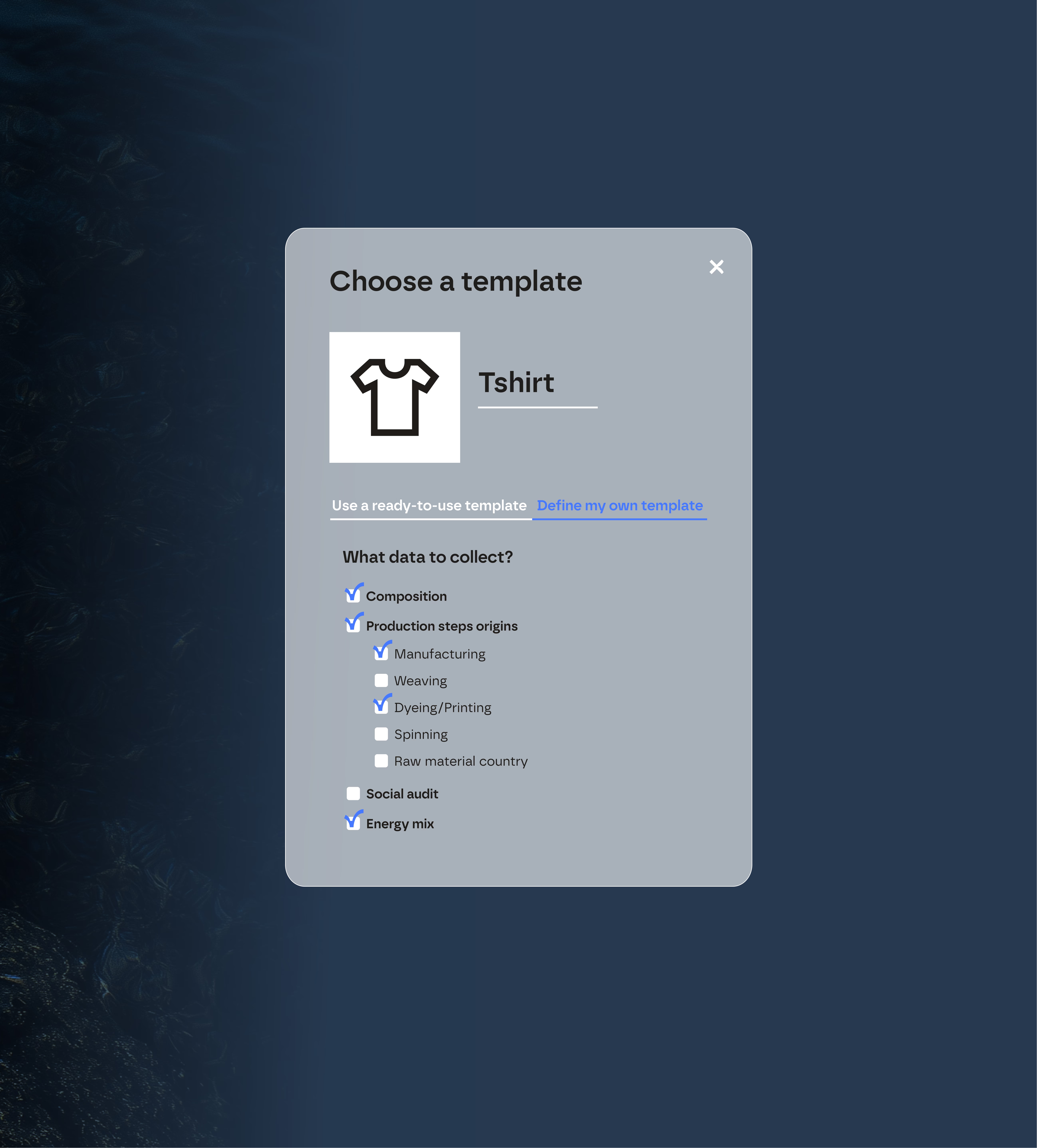
Set up data and document collection that matches your supply chain, with tailored workflows, custom forms, and the right level of granularity.
Avoid one-size-fits-all solutions.
Engage your suppliers
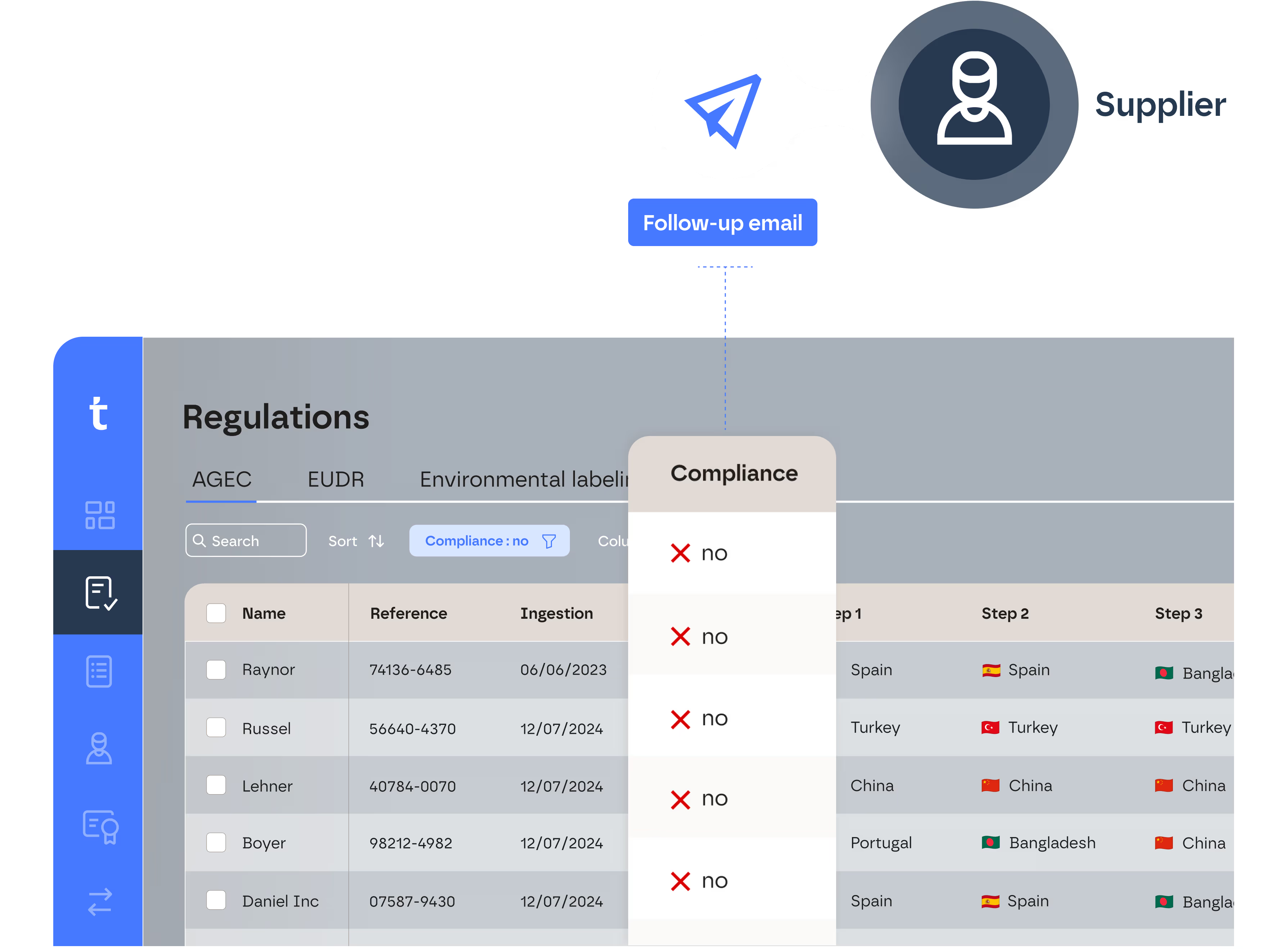
Build a supplier engagement strategy that adapts to the different profiles in your supplier base.
Adjust requirements to each partner’s maturity level.
Centralize evidence (audits, certificates, invoices, etc.) in a single shared space.
Execute your strategy and manage collection campaigns
Monitor flows in real time with dashboards aligned to your goals.
Check data quality and resolve any gaps identified.
Anticipate risks with automated alerts.
Keep improving your processes
Connect traceability data to your internal systems to keep ownership and control of information.
Review campaign performance, adjust parameters, and refine processes through continuous improvement.
Key features for advanced traceability
Useful resources for advanced traceability





.png)
.png)

.jpg)

Our partnerships
relating to advanced traceability


%20(2).png)
FAQ
How does advanced traceability improve data quality?
A flexible solution lets you request the right information, in the right format, from the right suppliers. With automated checks, inconsistency detection, and configurable templates, you collect complete, consistent, evidence-backed data tailored to your supply chain.
How does Trace For Good engage suppliers?
The platform includes workflows adapted to suppliers’ maturity levels, automated reminders, an intuitive workspace, and custom forms. Suppliers know exactly what to provide, how, and when, reducing admin workload and boosting completion rates.
How does Trace For Good ensure data reliability?
Every data point is automatically checked for format, consistency, duplicates, and supporting evidence. Non-compliant information is rejected or sent for validation. You benefit from a full audit trail and reliable traceability data, ready for regulatory use.
How is a advanced traceability implemented?
We start by defining your legal and operational requirements, then configure your workflows, forms, control rules, and reporting templates. Next, we engage your suppliers through a structured campaign, and you manage everything through dedicated dashboards.
How long does it take to deploy a custom traceability solution?
It depends on your organization, the number of references to trace, and your suppliers’ maturity. In general, a first operational scope can be launched within a few weeks, then gradually extended without disrupting processes.
Is traceability combatible with our internal tools (ERP, PIM, PLM, etc.)?
Yes. Trace For Good is designed to integrate with your existing ecosystem. Collected data can be synchronized with your internal systems, ensuring continuity across traceability, production, logistics, compliance, and product communication.